Understanding Male Nutrition and Wellness
An educational resource exploring the fundamentals of balanced diet, essential nutrients, and healthy lifestyle choices for men.
Learn more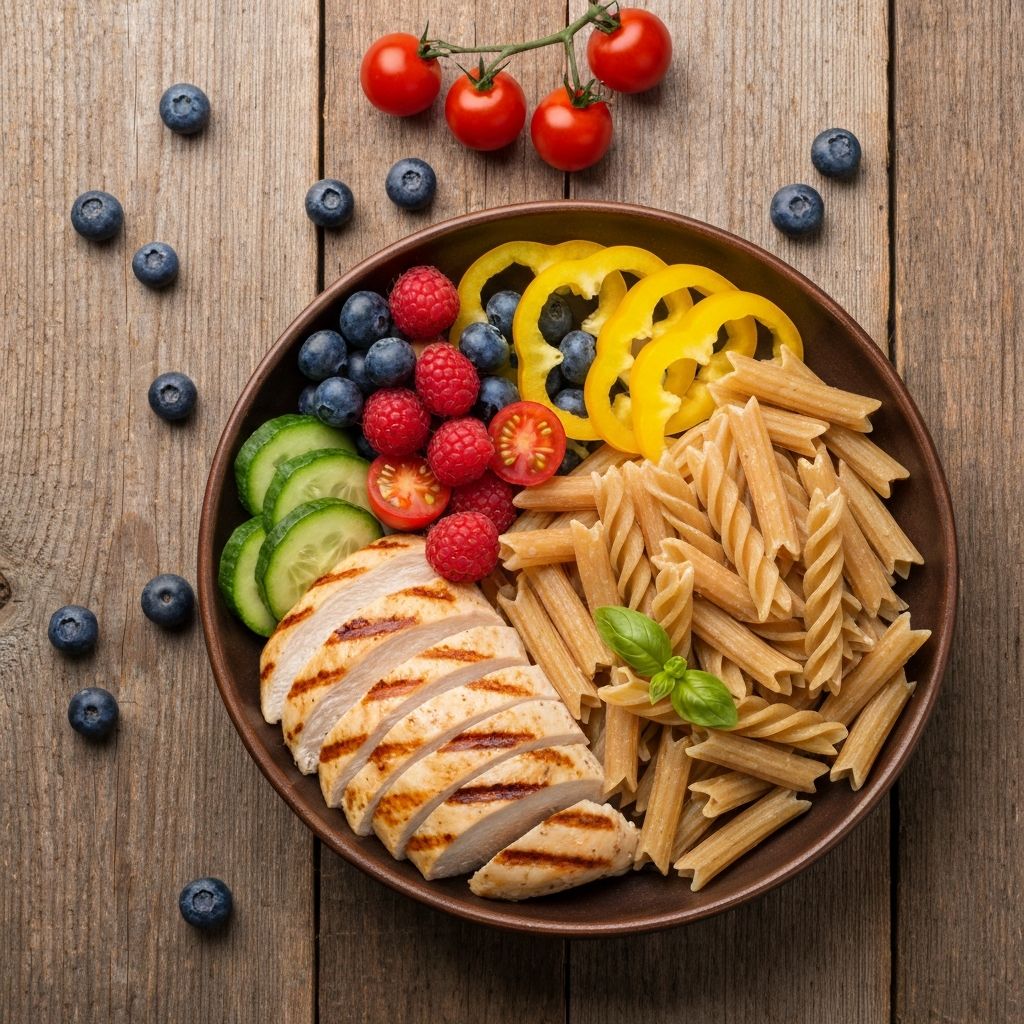
Overview of Male Nutrition
Male nutrition encompasses a wide range of dietary considerations that support overall health and wellness. Understanding the role of various nutrients helps individuals make informed choices about their daily food intake.
Nutritional Foundations
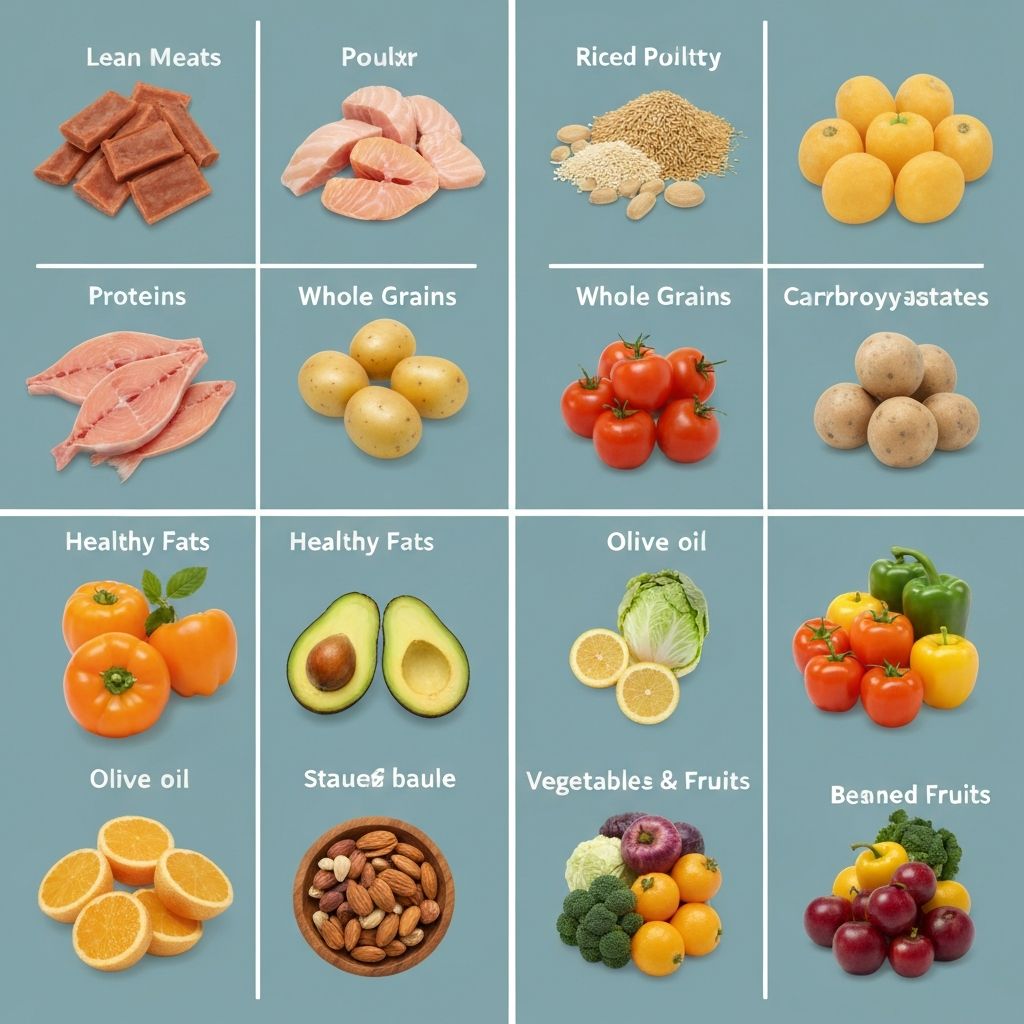
The foundation of male nutrition includes macronutrients such as proteins, carbohydrates, and healthy fats, along with essential vitamins and minerals that support bodily functions.

Balanced Approach
A balanced diet incorporates diverse food groups, ensuring adequate intake of nutrients from vegetables, fruits, whole grains, lean proteins, and healthy fats.

Lifestyle Integration
Nutrition works in harmony with other lifestyle factors including physical activity, adequate sleep, and stress management to support overall wellness.
Daily Lifestyle Guide
Daily lifestyle choices play a significant role in overall health. This guide explores common patterns that individuals often consider when planning their routines.
Morning Routines
Many individuals start their day with hydration and a balanced breakfast containing proteins, complex carbohydrates, and fresh produce. Morning exercise is another common practice that some people incorporate into their routines.
Evening Habits
Evening routines often include lighter meals with vegetables and lean proteins. Some individuals prioritize wind-down activities and consistent sleep schedules as part of their daily rhythm.
Natural Food Sources
Various natural foods provide different nutrients that contribute to a balanced diet. Understanding these sources helps individuals diversify their food choices.
Leafy Vegetables
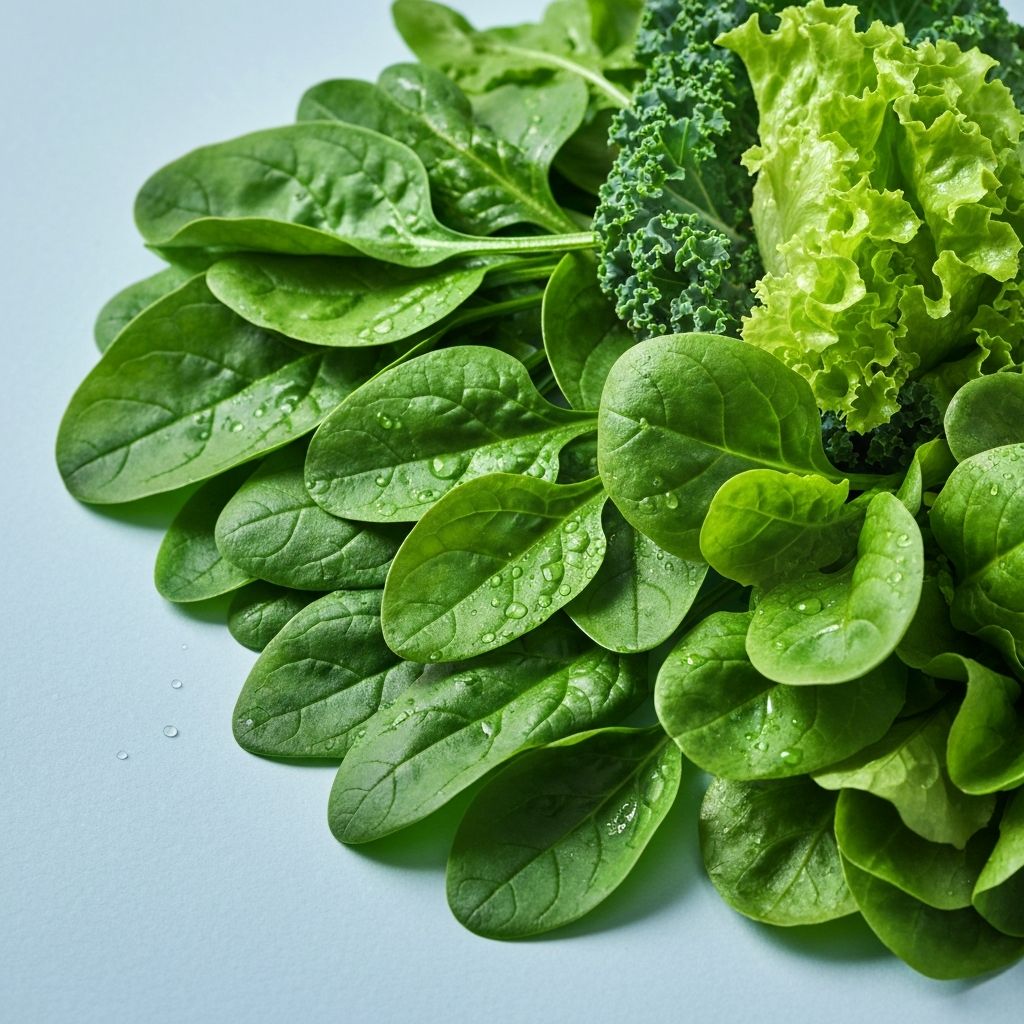
Spinach, kale, and other leafy greens are rich in vitamins A, C, and K, along with minerals like iron and calcium. These vegetables can be incorporated into salads, smoothies, or cooked dishes.
Nuts and Seeds
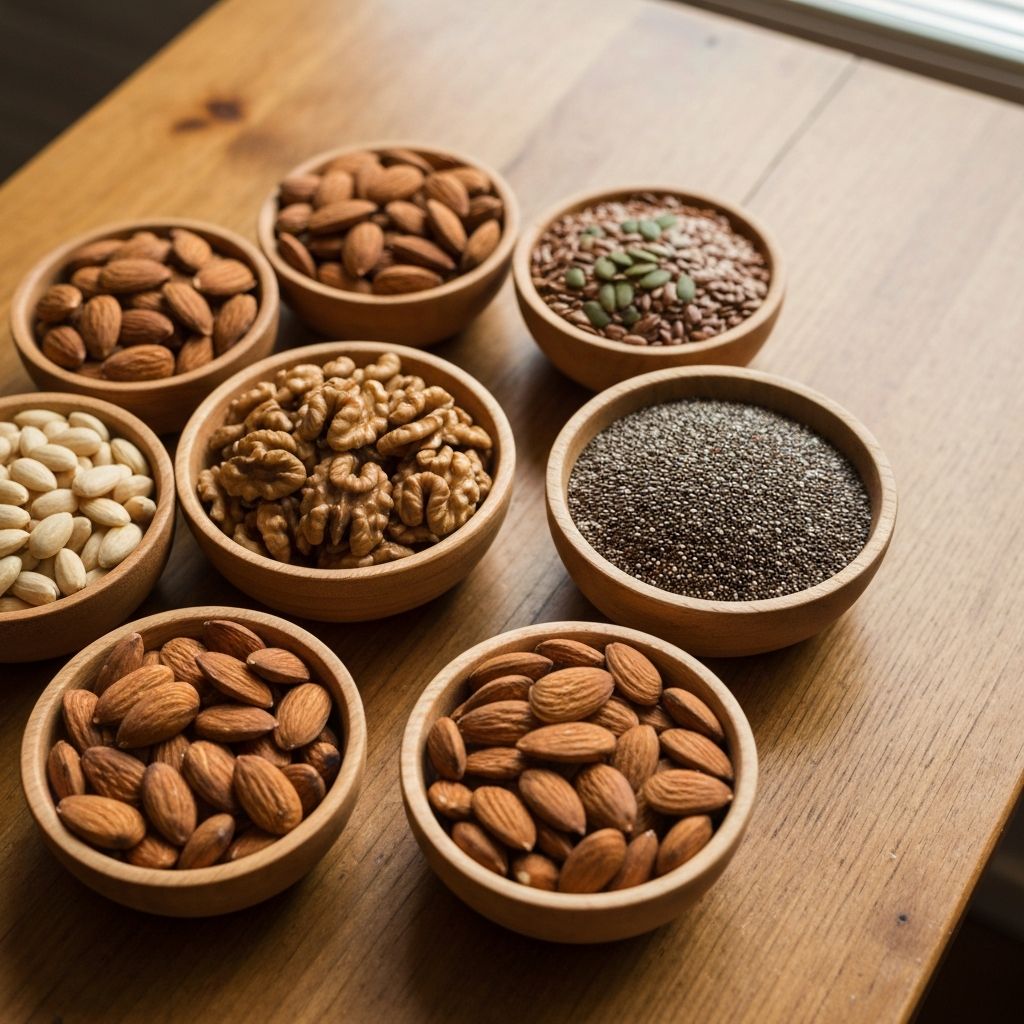
Almonds, walnuts, chia seeds, and flaxseeds contain healthy fats, protein, and fiber. They serve as convenient snacks or additions to meals and breakfast bowls.

Berries and Fruits
Blueberries, strawberries, oranges, and bananas provide natural sugars, fiber, and various vitamins. These fruits offer versatile options for snacks and meal components.
Balanced Diet Infographic
A balanced diet typically includes proportions from different food groups. This general framework is often referenced in nutritional education.
Vegetables
40%
Leafy greens, cruciferous vegetables, root vegetables, and colorful produce.
Proteins
25%
Lean meats, fish, legumes, eggs, and plant-based protein sources.
Whole Grains
25%
Brown rice, quinoa, oats, whole wheat bread, and other whole grains.
Healthy Fats
10%
Avocados, olive oil, nuts, seeds, and fatty fish.
Seasonal Ingredients
Seasonal eating involves choosing foods that are naturally available during specific times of the year. This approach often provides access to fresh produce at peak ripeness.
- Spring: Asparagus, peas, strawberries, leafy greens
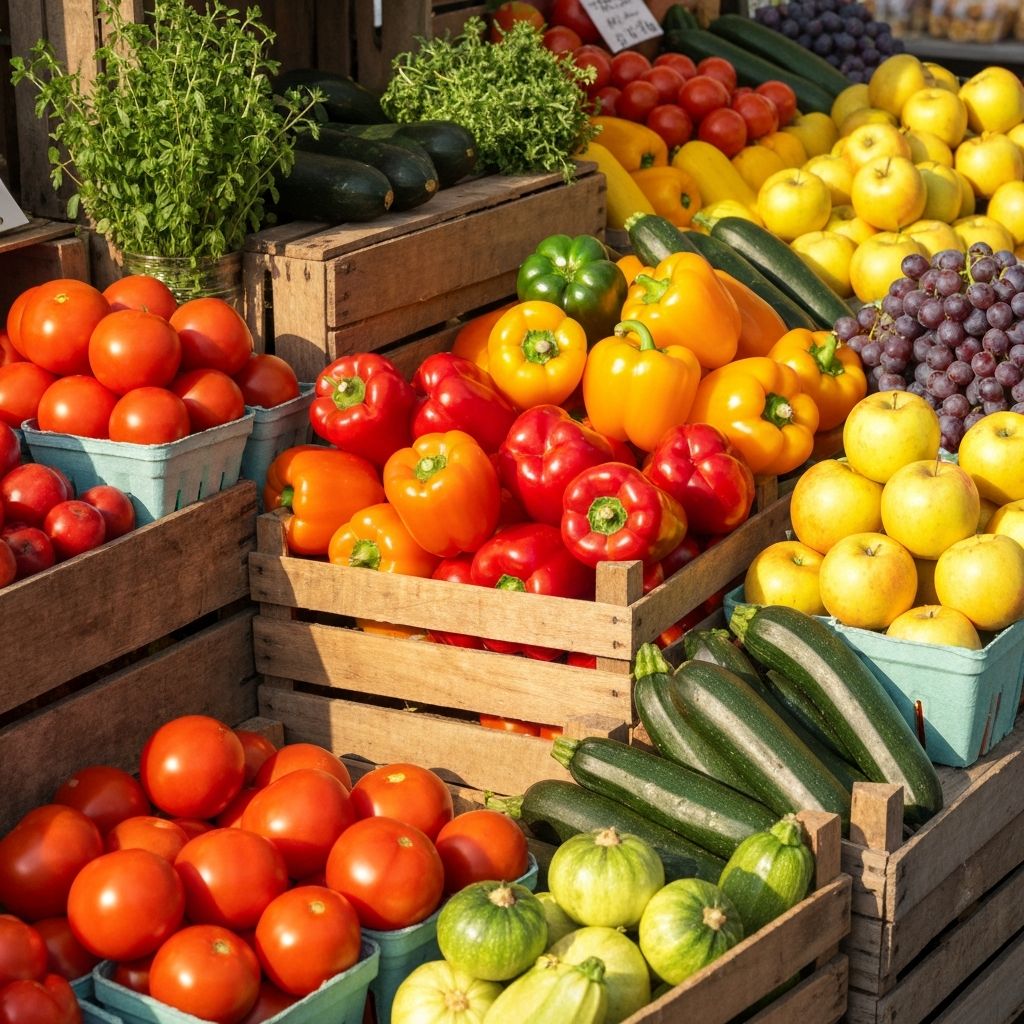
- Summer: Tomatoes, cucumbers, peppers, berries, stone fruits
- Autumn: Squash, apples, root vegetables, Brussels sprouts
- Winter: Citrus fruits, cabbage, kale, winter squash
Nutrient Categories
Nutrients are generally categorized into different groups based on their functions and chemical structures. Each category plays distinct roles in the body.
Vitamins
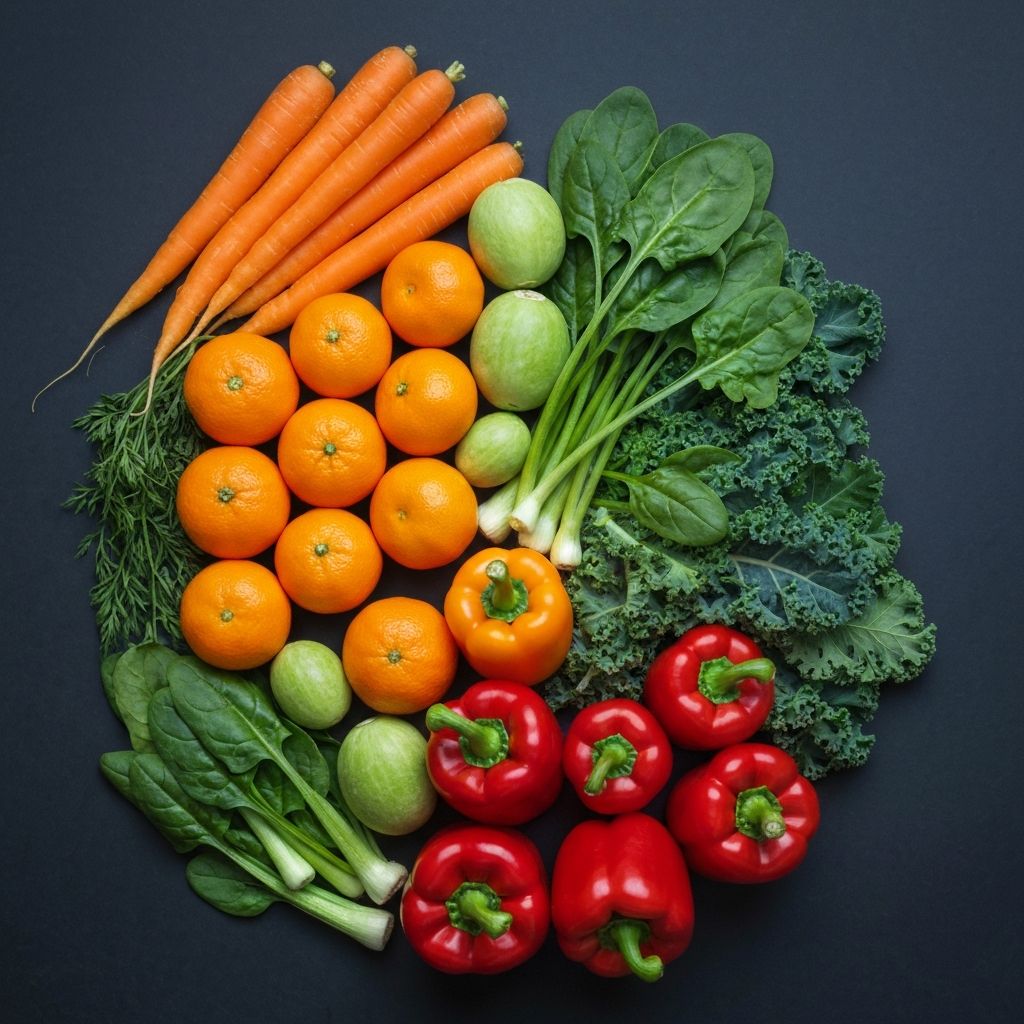
Vitamins are organic compounds required in small amounts for various metabolic processes. They include fat-soluble vitamins (A, D, E, K) and water-soluble vitamins (B complex, C).
Minerals
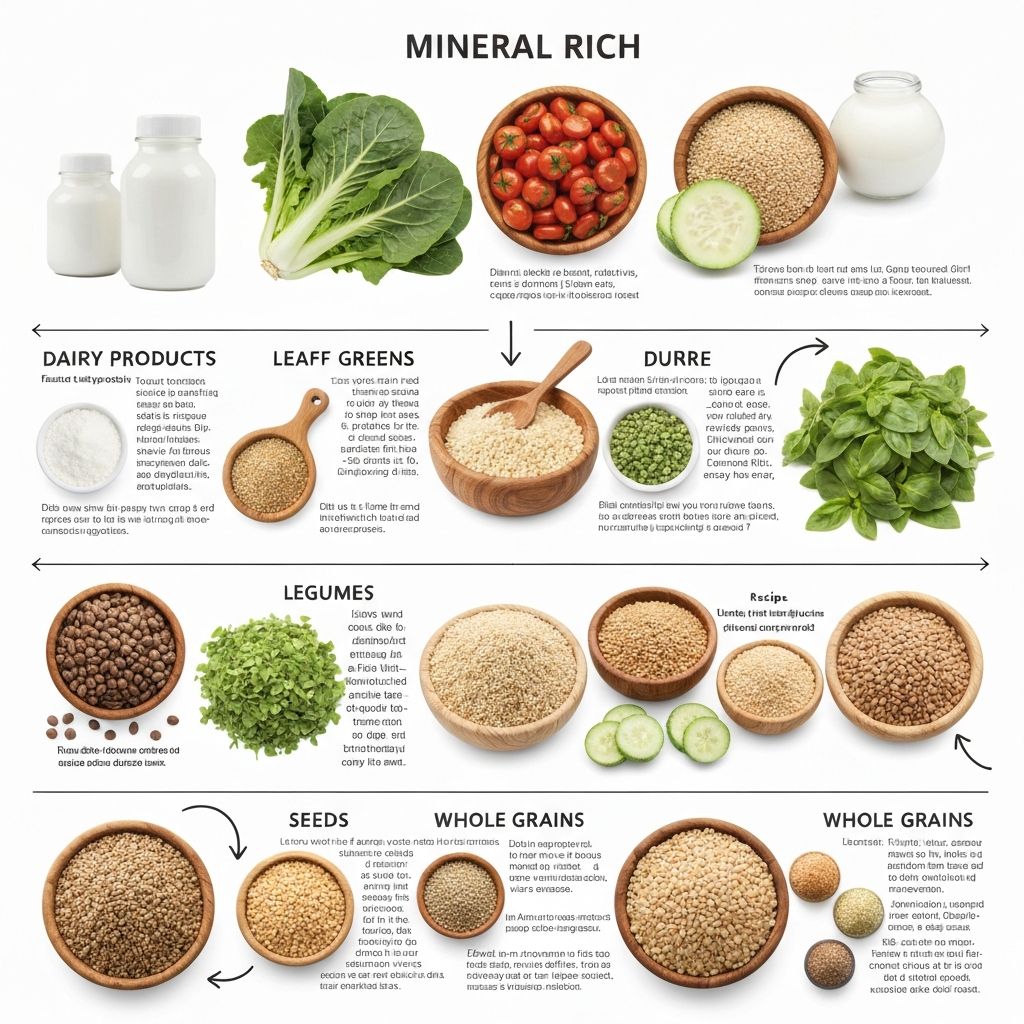
Minerals are inorganic elements that support functions like bone health, fluid balance, and nerve transmission. Examples include calcium, magnesium, zinc, and selenium.

Antioxidants
Antioxidants are compounds found in colorful fruits and vegetables. They include beta-carotene, lycopene, and various polyphenols present in plant foods.
Scientific Insights
Scientific research continues to explore the relationships between diet, nutrients, and health outcomes. These studies contribute to evolving understanding in the field of nutrition science.
Research Areas
- Nutrient bioavailability and absorption
- Dietary patterns and health correlations
- Micronutrient roles in cellular processes
- Food combinations and nutrient interactions
Current Understanding
Current nutritional science emphasizes the complexity of diet-health relationships, recognizing that individual responses to foods can vary based on genetics, lifestyle, and environmental factors.
Common Myths
Nutritional information circulates widely, and not all of it is accurate. Understanding common misconceptions helps clarify what current science actually suggests.
Myth: Carbohydrates Are Always Bad
Reality: Carbohydrates are a primary energy source. The type and quality matter more than avoiding them entirely. Whole grains and vegetables provide beneficial carbohydrates.
Myth: All Fats Should Be Avoided
Reality: Healthy fats from sources like avocados, nuts, and olive oil are important for nutrient absorption and cellular function.
Myth: Skipping Meals Helps
Reality: Regular, balanced meals often support more stable energy levels and nutritional intake throughout the day.
Myth: Fresh Is Always Best
Reality: Frozen vegetables and fruits can retain nutrients well and provide convenient options for balanced eating year-round.

Tips for Awareness
Building awareness around nutrition and lifestyle involves understanding basic principles and patterns. Here are some common considerations:
- Read nutrition labels to understand food composition
- Notice portion sizes in daily meals
- Stay hydrated throughout the day
- Include a variety of colors on your plate
- Plan meals ahead when possible
- Listen to hunger and fullness cues
- Combine nutrition with regular physical activity
Educational Product Examples
These examples illustrate common food products that appear frequently in nutritional education materials. They represent typical options individuals might encounter when considering balanced eating.
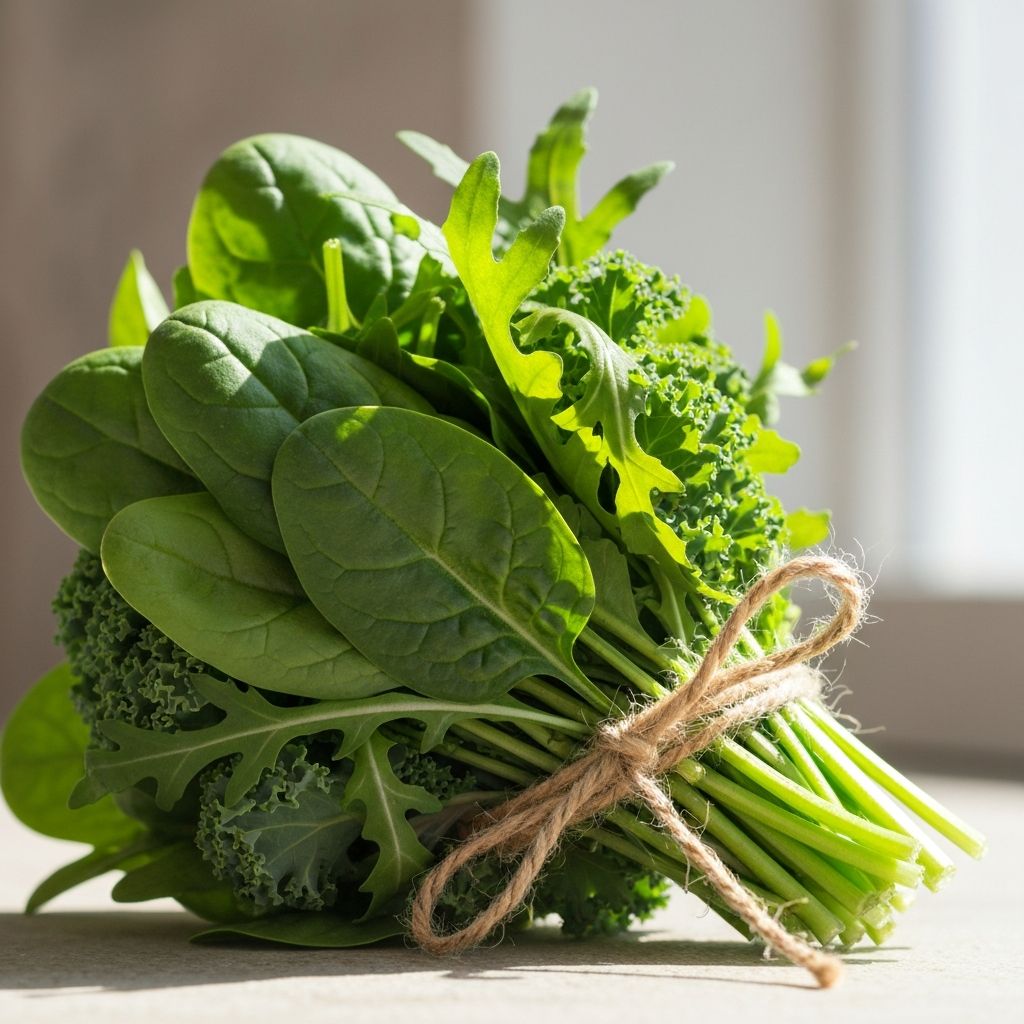
Mixed Leafy Greens
A combination of spinach, kale, and arugula provides vitamins A, C, K, folate, and minerals. These greens can be used in salads, smoothies, or lightly sautéed as a side dish.
Learn more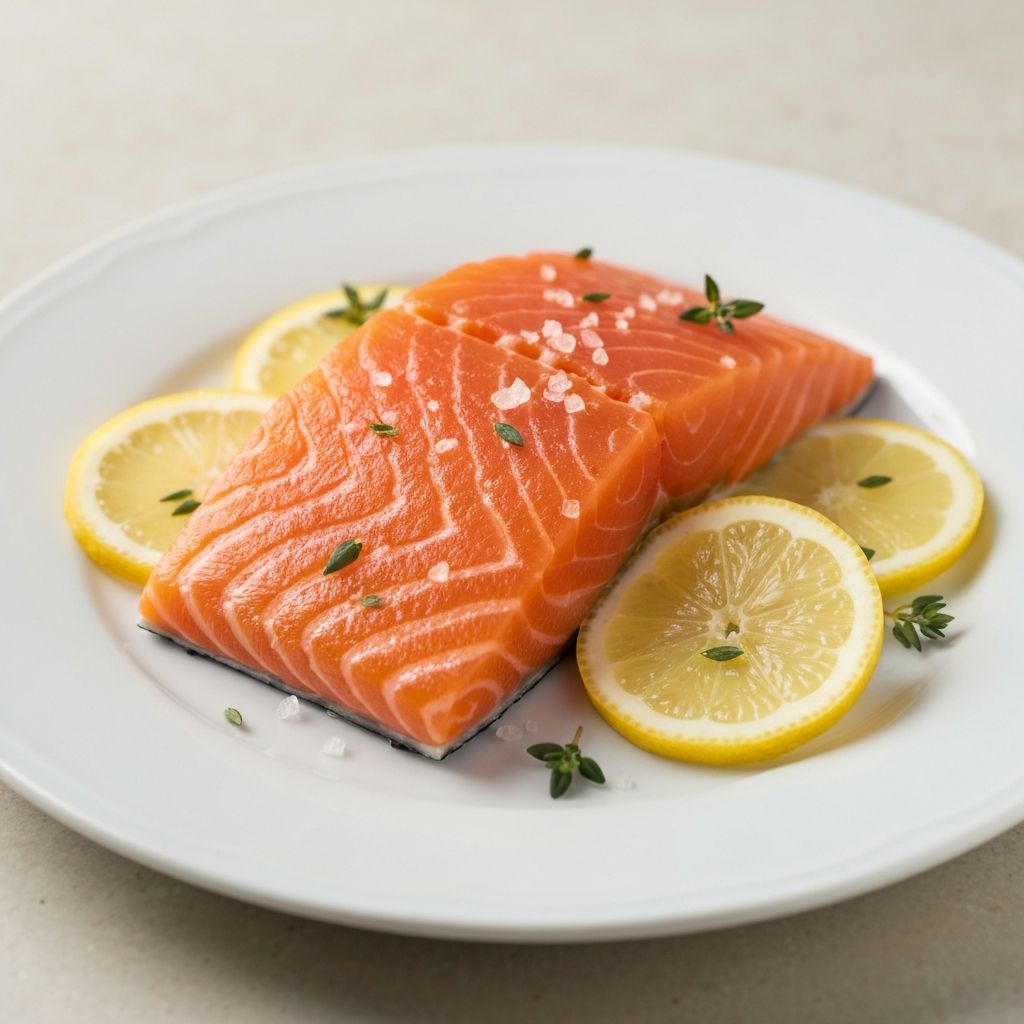
Wild-Caught Fish
Fish like salmon and mackerel contain omega-3 fatty acids, protein, and vitamin D. These fish are common examples in discussions about heart-healthy eating patterns.
Learn more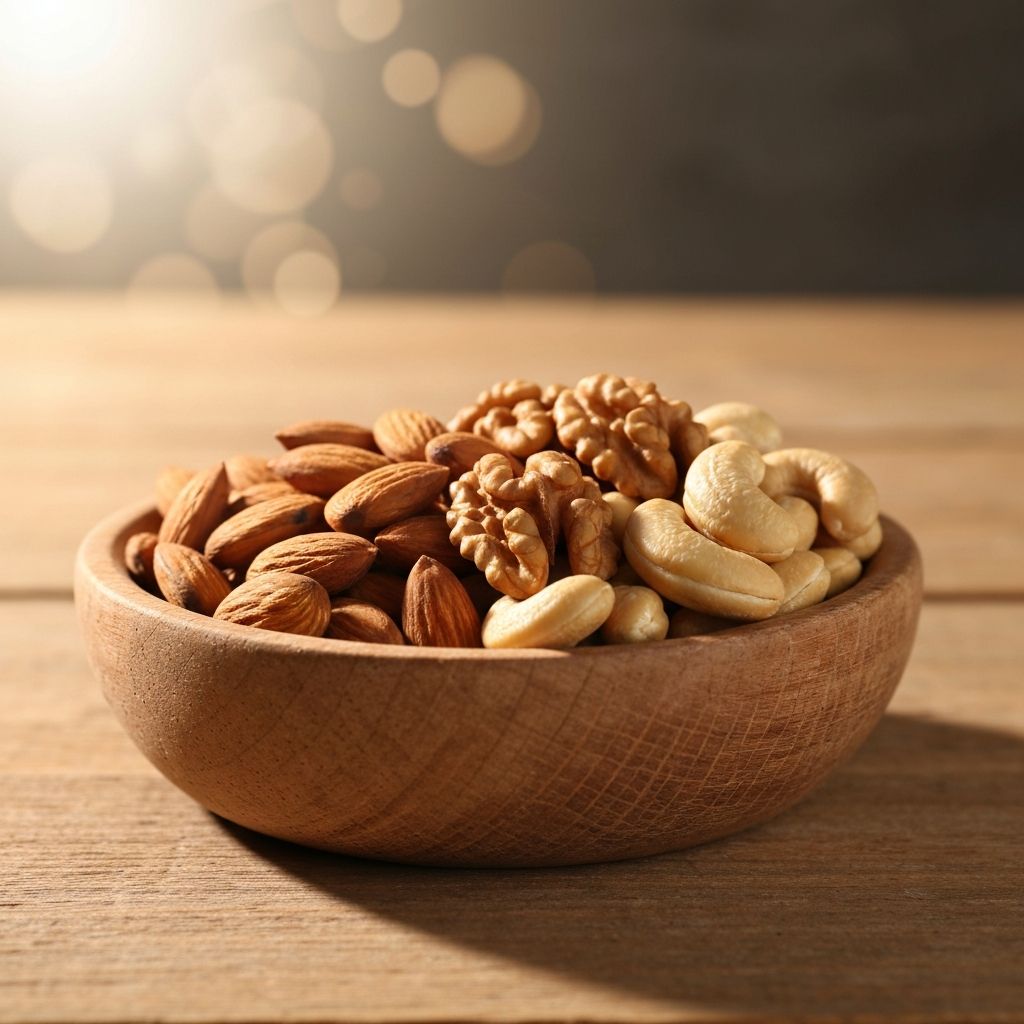
Raw Mixed Nuts
Almonds, walnuts, and cashews offer healthy fats, protein, fiber, and vitamin E. They serve as convenient snacks or additions to breakfast and meals.
Learn moreReferences and Studies
The information on this site draws from peer-reviewed research and established nutritional science. These references represent the type of sources commonly cited in nutritional education.
- Journal of Nutrition - Studies on micronutrient bioavailability and dietary patterns
- American Journal of Clinical Nutrition - Research on macronutrient distribution and health outcomes
- European Journal of Nutrition - Investigations into Mediterranean diet patterns and wellness
- British Journal of Nutrition - Research on food sources and nutrient adequacy
- Public Health Nutrition - Population-level dietary assessment studies
Note: This website provides general educational information. Individual dietary needs vary, and personal decisions should consider individual circumstances and preferences.
Community Knowledge Hub
This educational resource serves as a knowledge hub for those interested in learning about male nutrition and healthy lifestyle patterns. The content is designed to inform and educate rather than prescribe specific actions.
Educational Purpose
All materials on this site are created for educational purposes. They explain concepts, describe nutritional principles, and provide context about food choices and lifestyle patterns.
Information Diversity
Nutritional science is a diverse field with various perspectives and approaches. This resource presents general information that individuals can explore as part of their own learning journey.
Continue Exploring
Educational content only. No promises of outcomes.
Discover more about nutrition science, food sources, and lifestyle patterns through our educational articles and resources.
Read full article Explore topicLimitations and Context
This website provides educational information about nutrition and lifestyle topics. The content is intended for general knowledge purposes and does not constitute individual advice or recommendations. Nutritional needs and responses vary among individuals based on numerous factors including genetics, existing health status, lifestyle, and personal circumstances.
The information presented here explains concepts and describes general patterns observed in nutritional science. It does not replace personalized guidance from qualified professionals or individual decision-making. Readers are encouraged to consider multiple sources of information and make choices that align with their own situations and preferences.